
Svalbard Ski & Sail
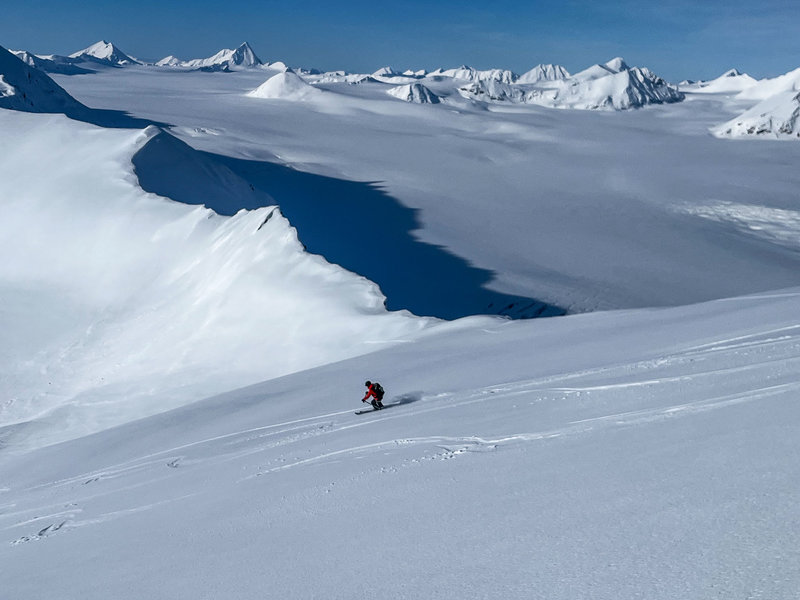
Tour: Svalbard Ski & Sail
Range: Svalbard Archipelago
2027 Dates:
- April 22-29, 2027 (FULL)
| Cost: |  |
$7995 (USD) |
Ready to Sign up?
REGISTER ONLINE NOW
»
Cost Includes
6 days skiing with IFMGA/UIAGM or discipline certified ski guides, 7 nights lodging aboard Meander, all meals while on the boat, communications equipment, PFD's, and all safety equipment relevant to sailing.
»
Cost Does Not Include
Air Transportation to/from Longyearbyen, alcohol or soft drinks on boat, meals and hotels in Longyearbyen, rescue insurance, gratuities to guides and crew.
Client to Guide Ratio: Up to 6:1
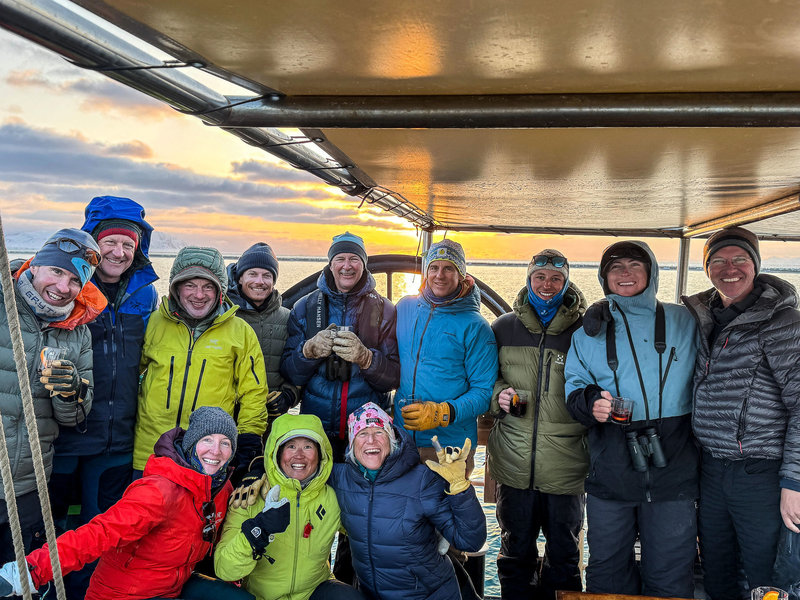
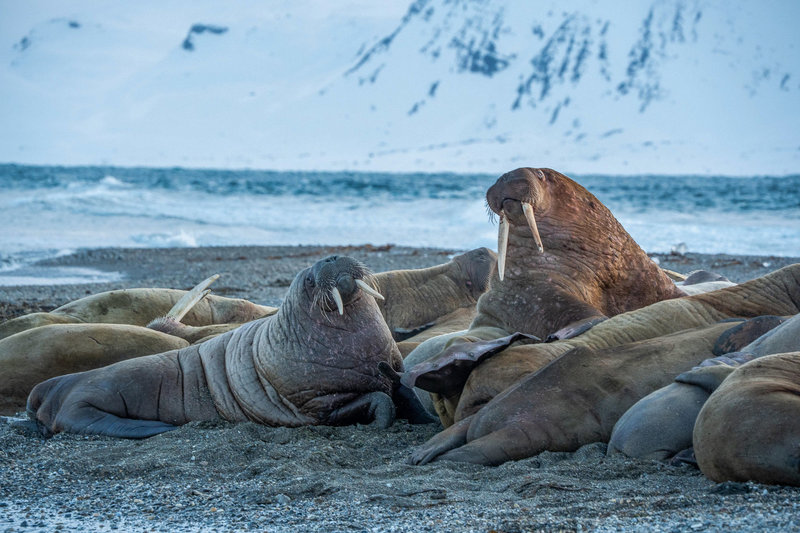
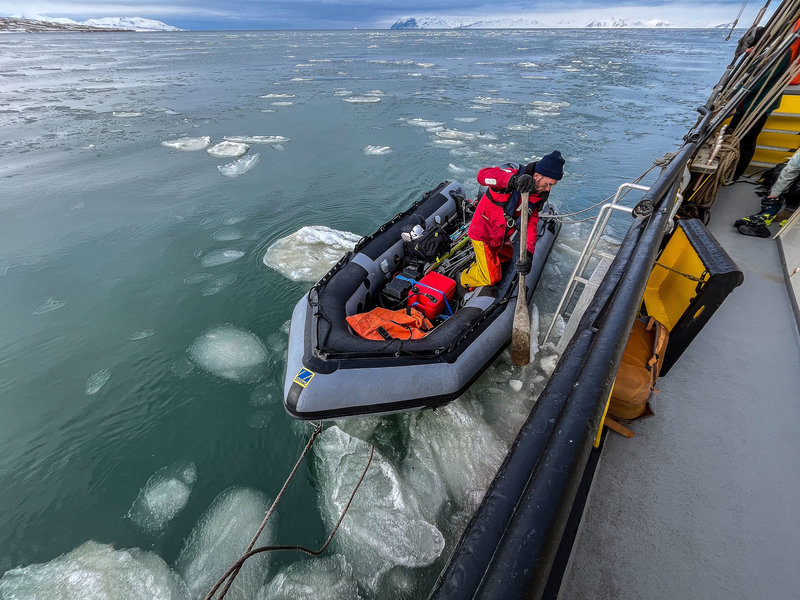
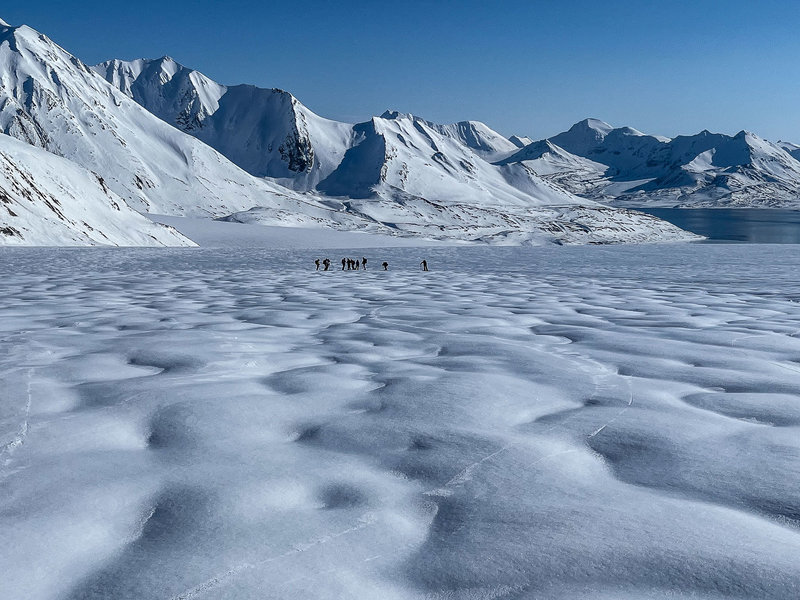
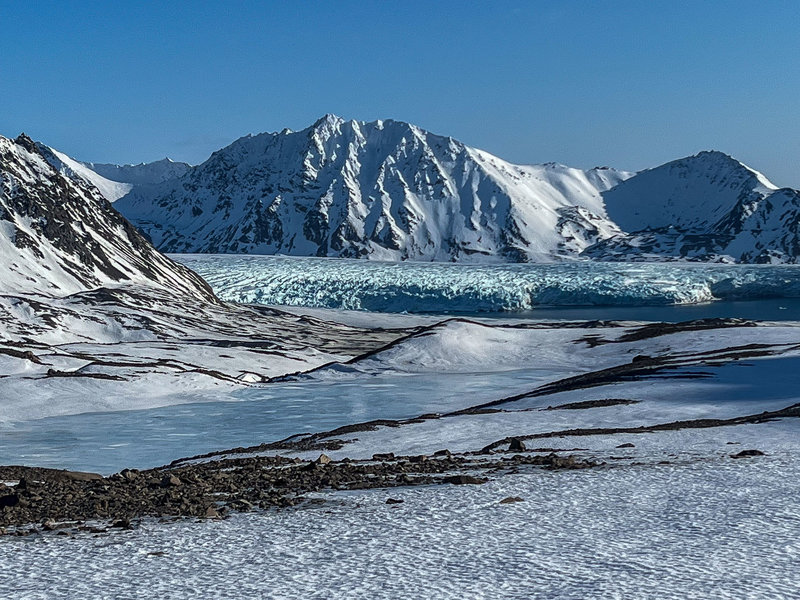
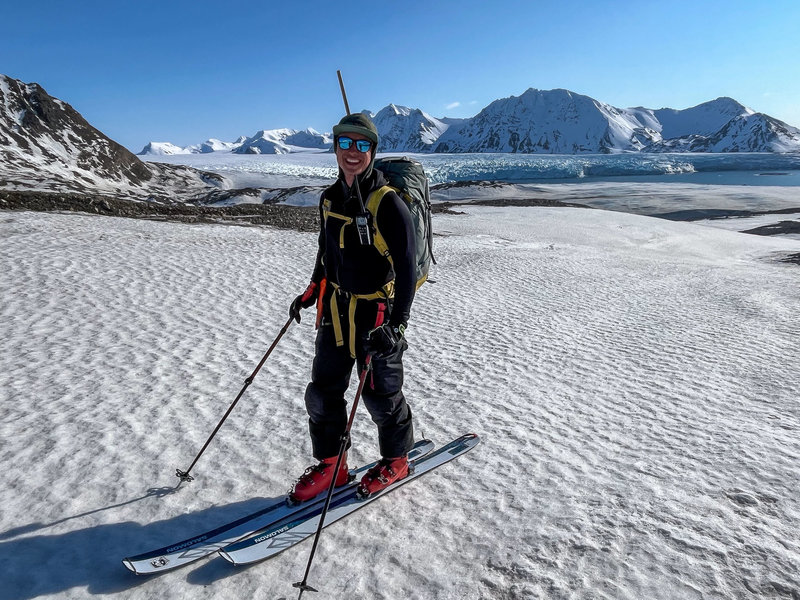
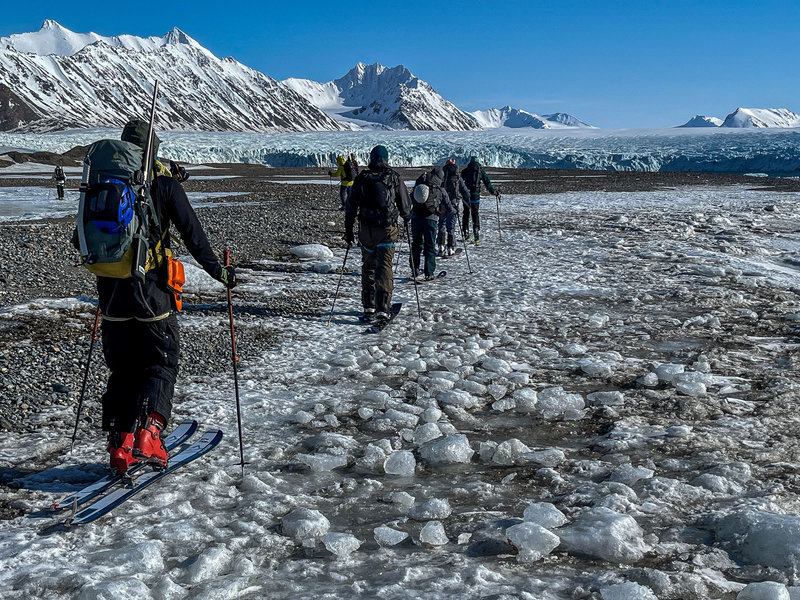
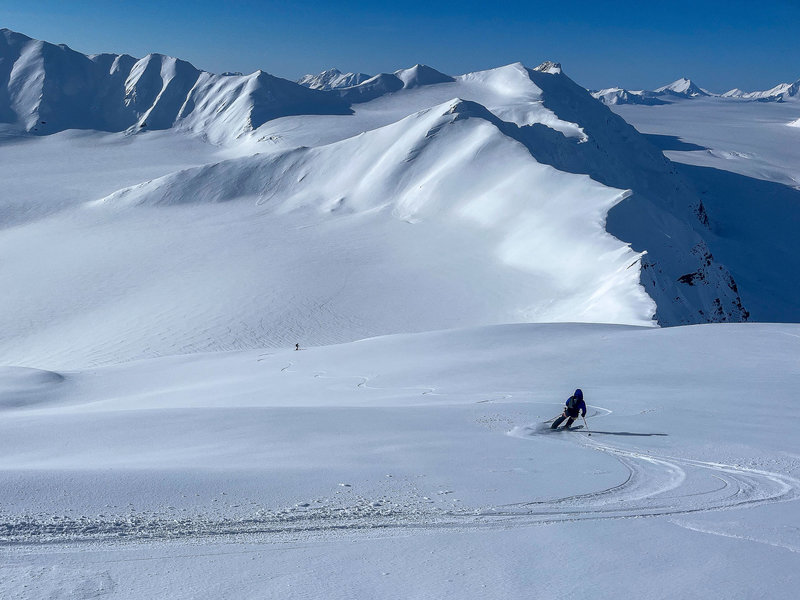
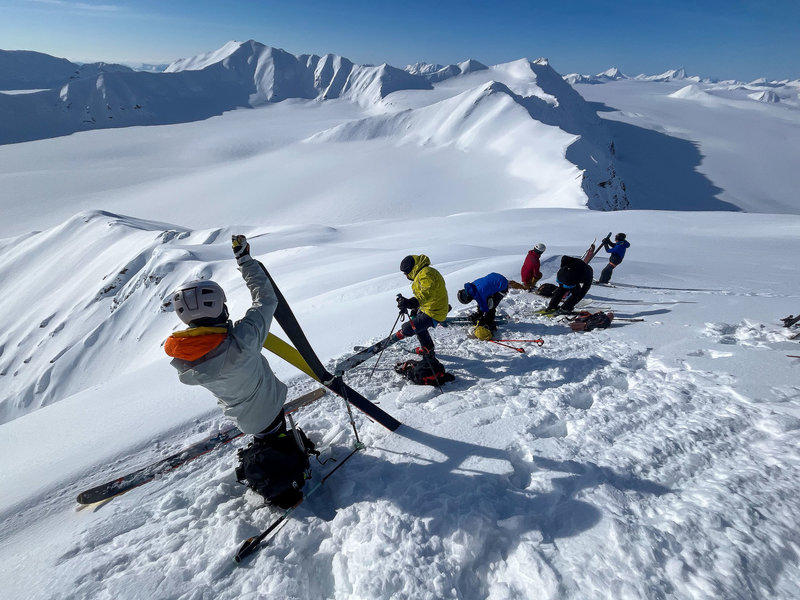
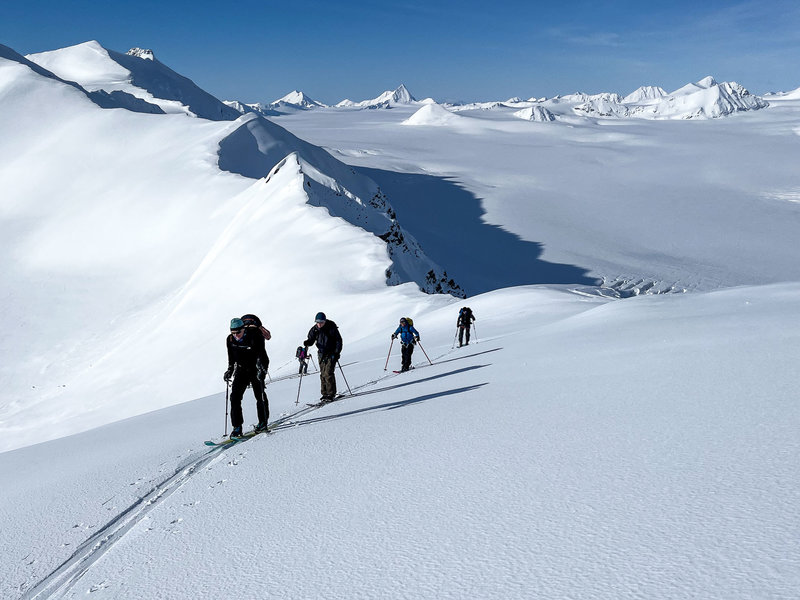
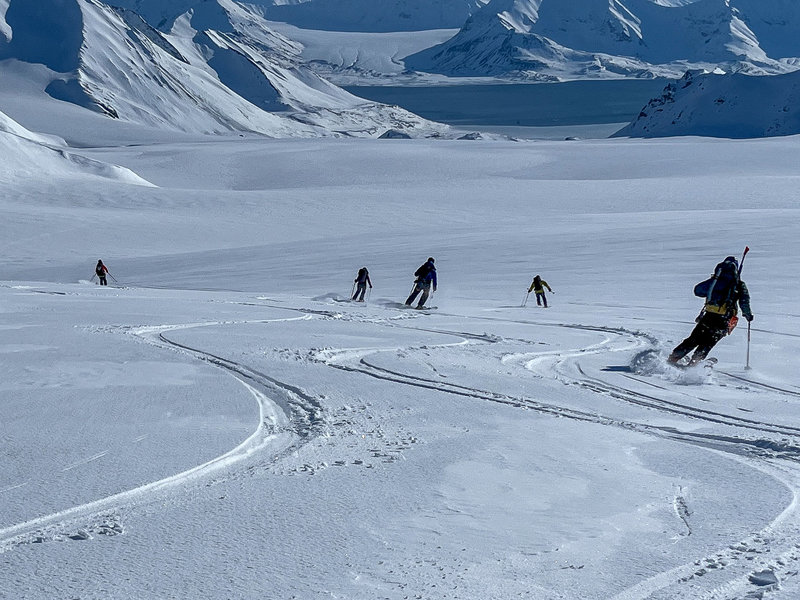
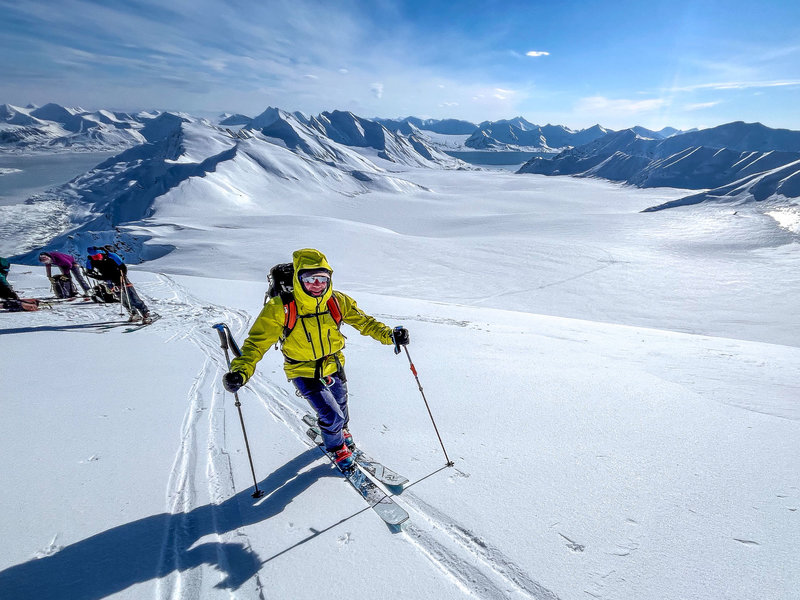
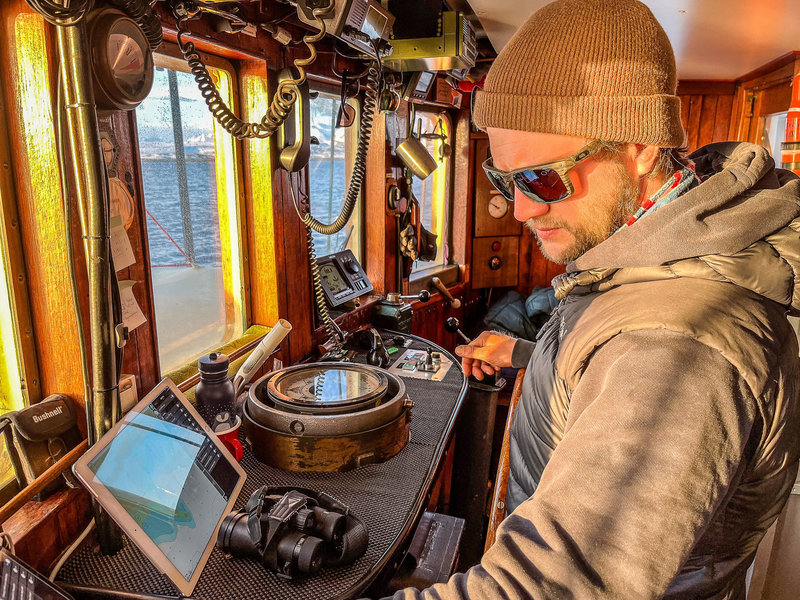
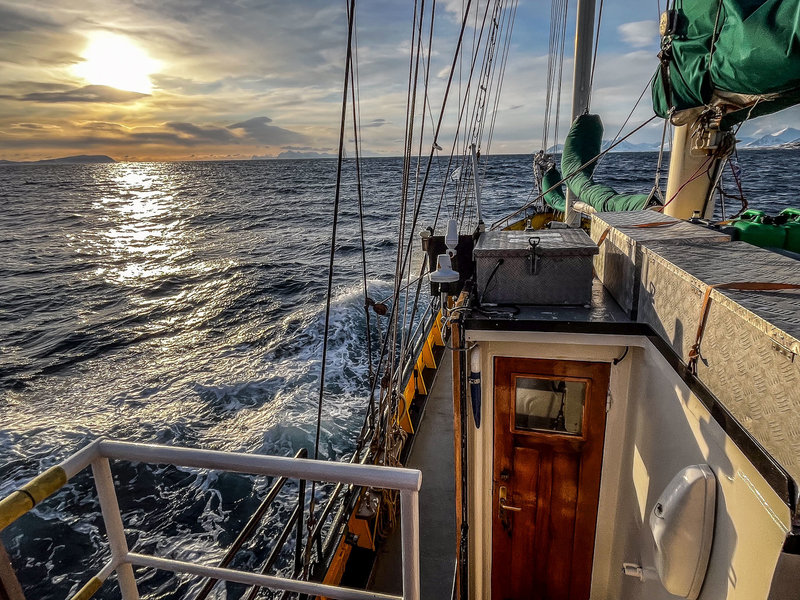
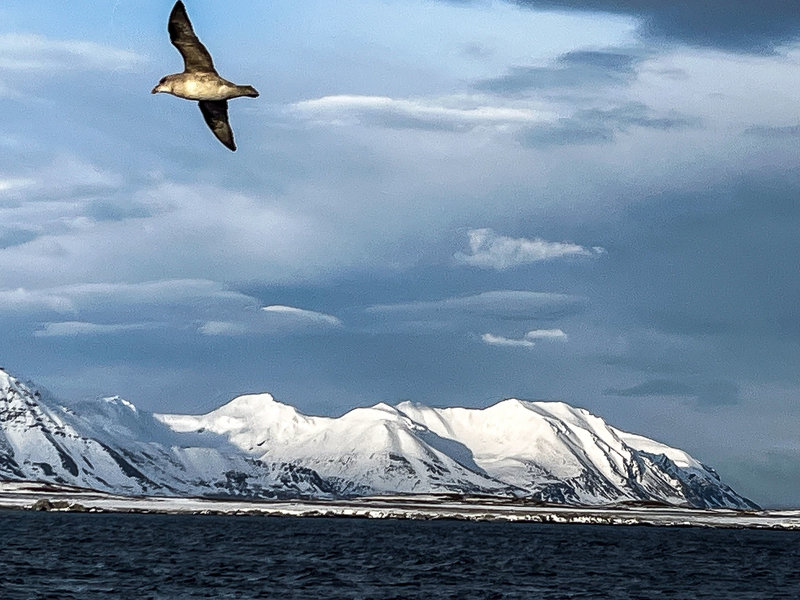
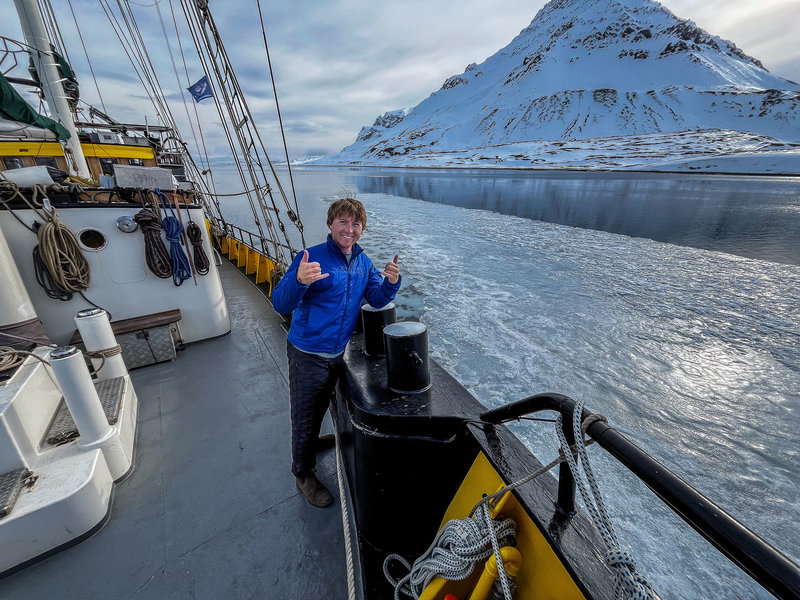
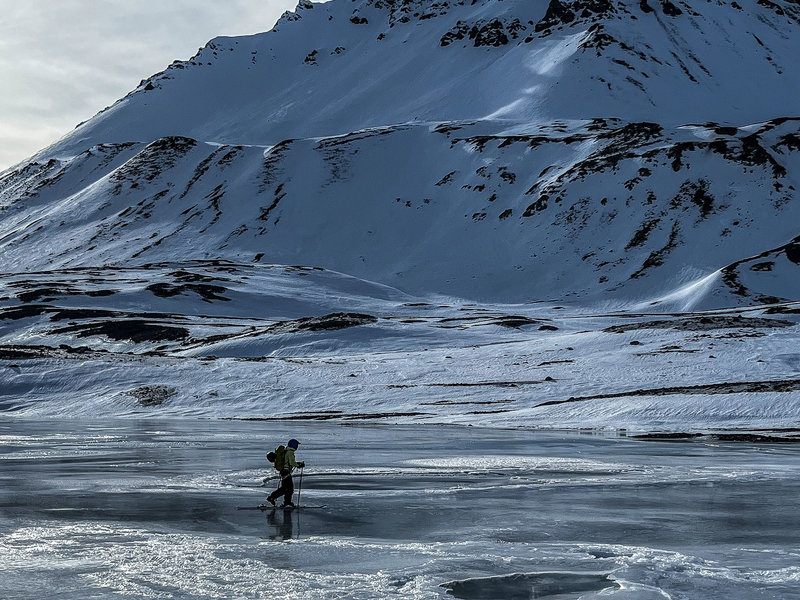
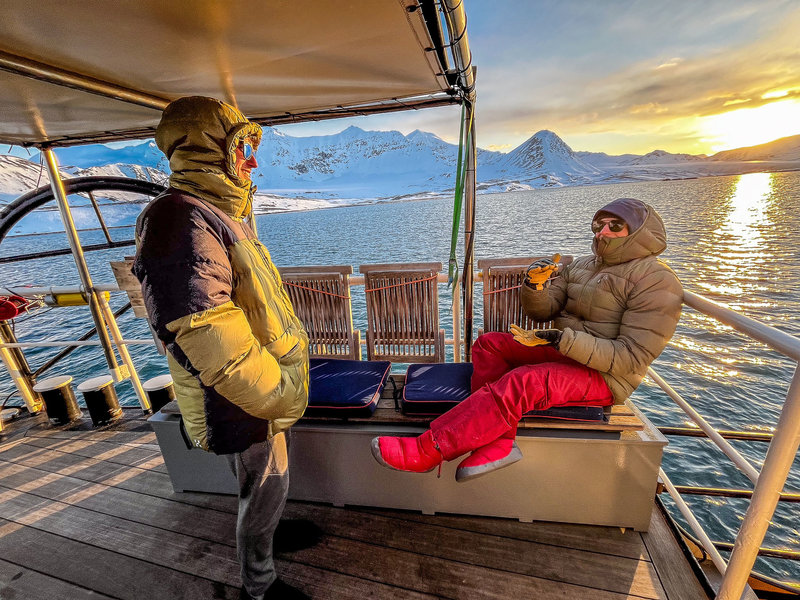
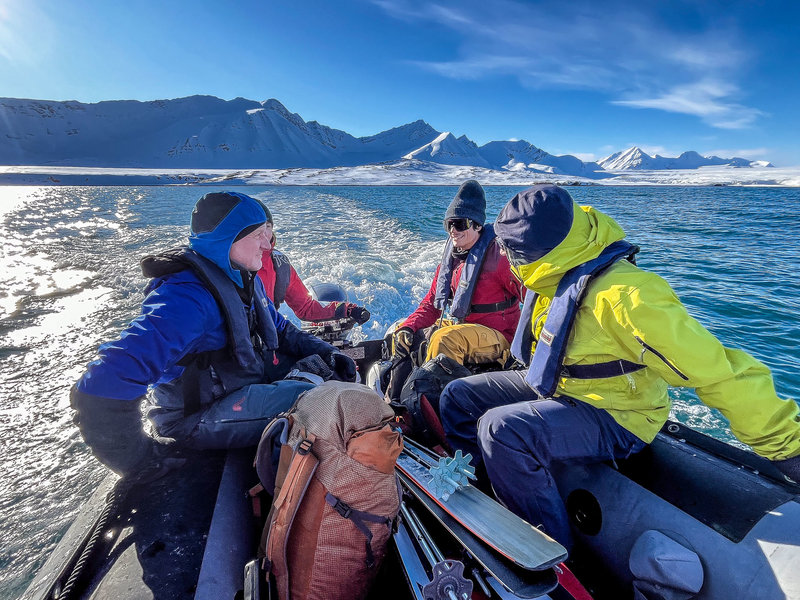
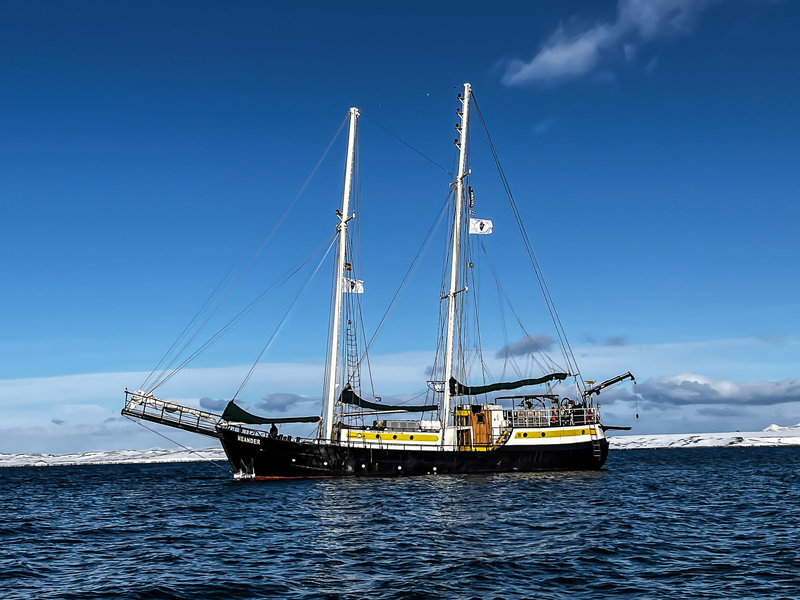
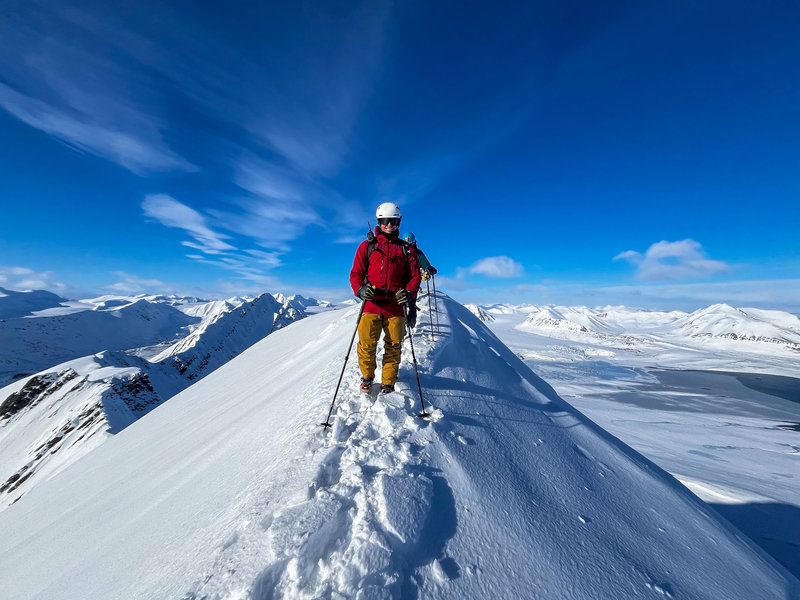
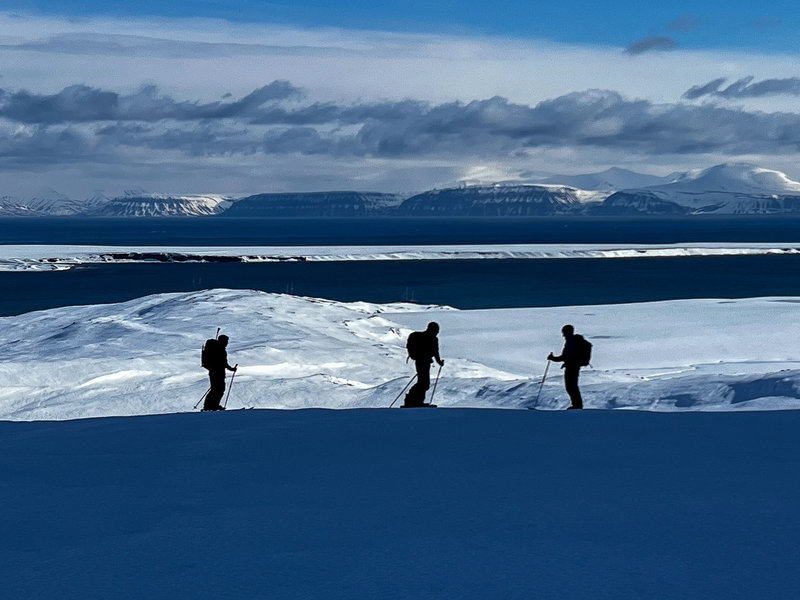
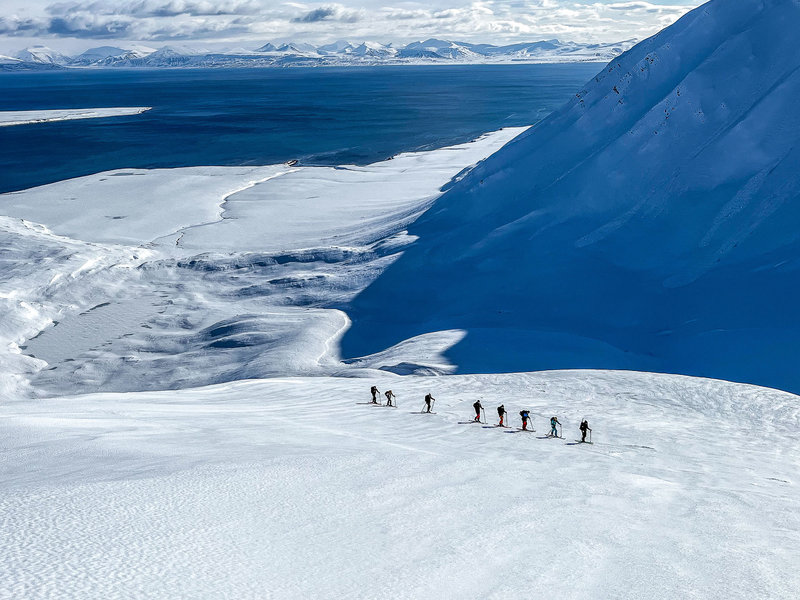
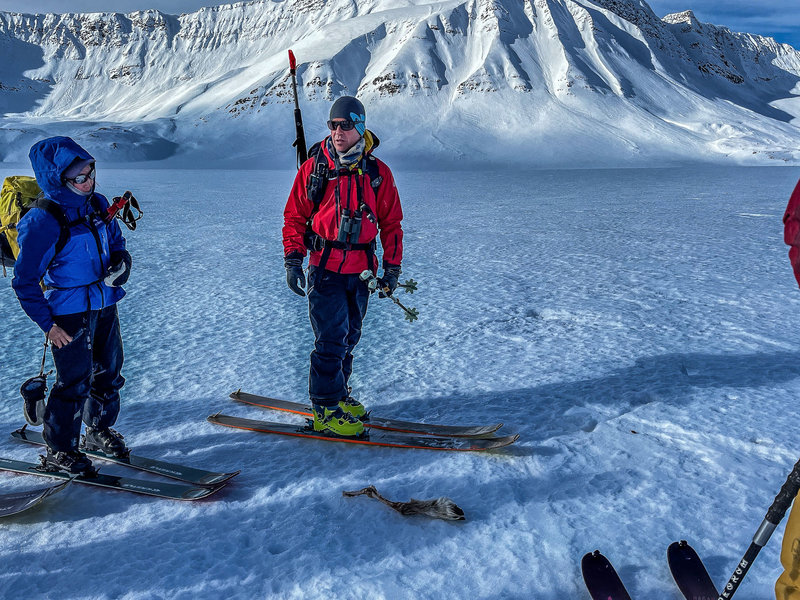
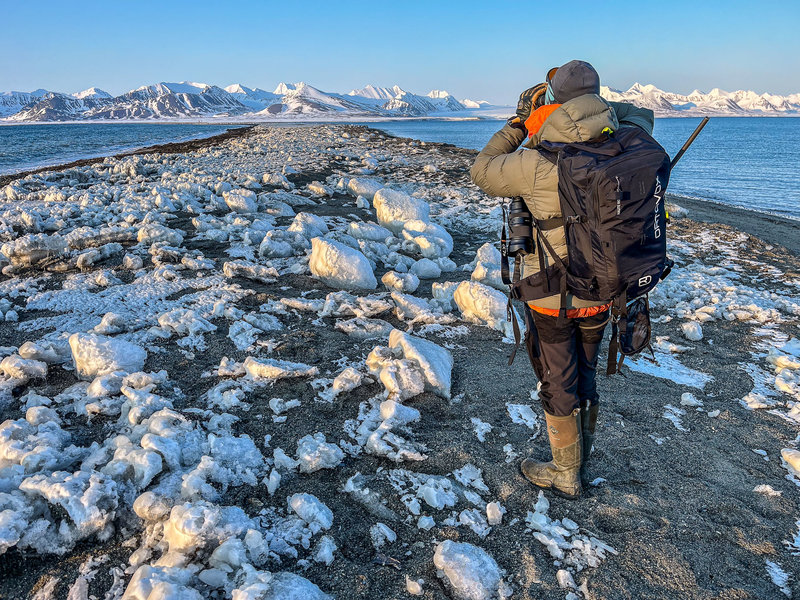
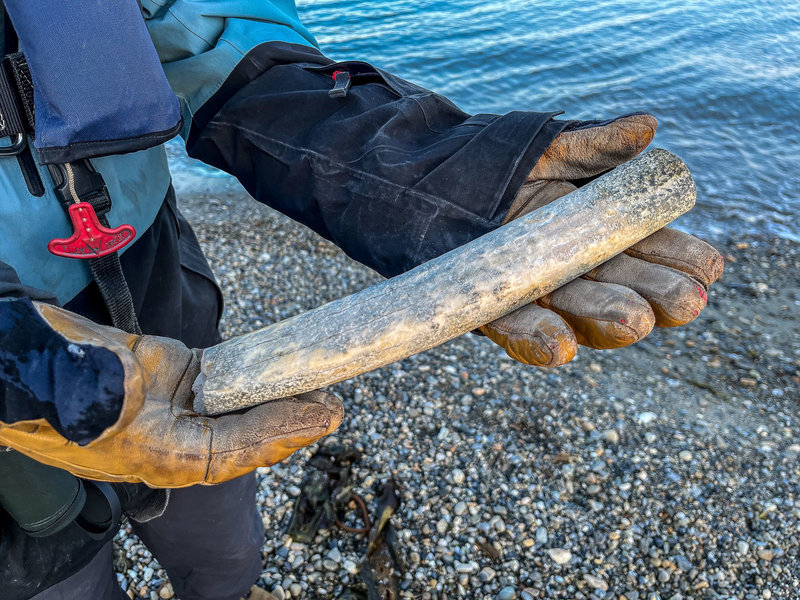
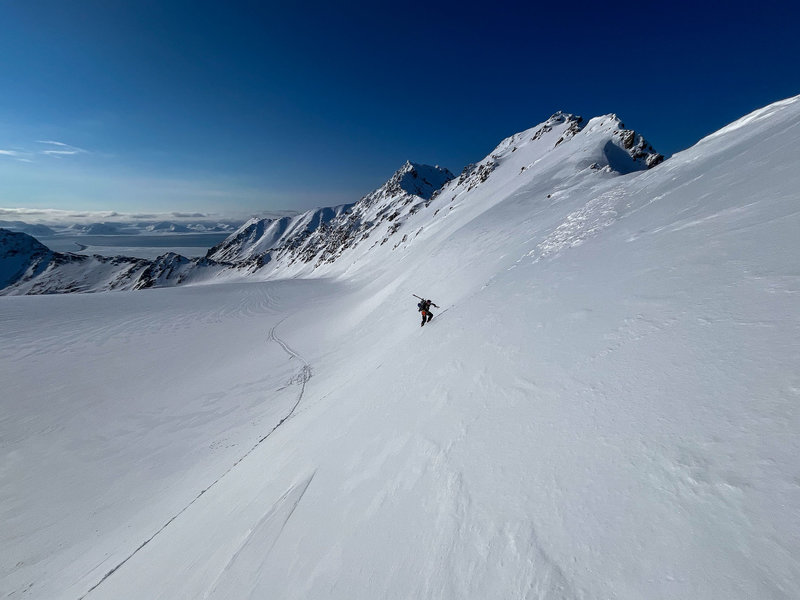
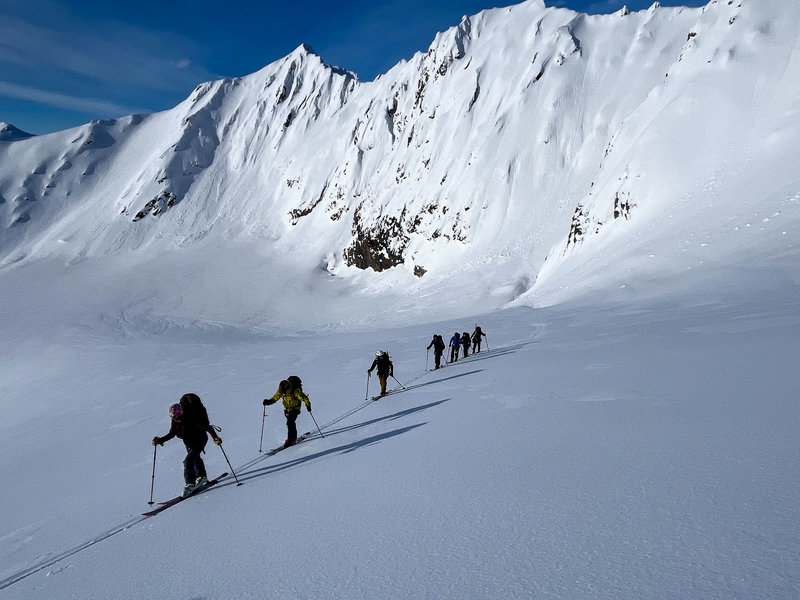
Svalbard lies North of Norway, and East of Greenland. Longyearbyen, the capital, is just 816 miles (1313 km) from the North Pole, just shy of 78°N. The skiing is excellent, an improbable situation that exists only because of the warming influence of the Gulf Stream. Year-round pack ice begins a short distance north. This is prime Polar Bear, Walrus, and Arctic Fox habitat.
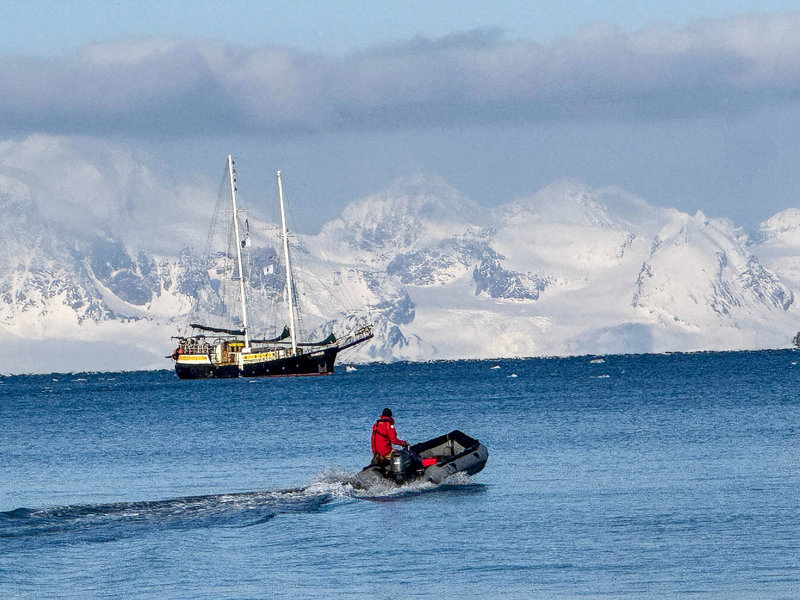
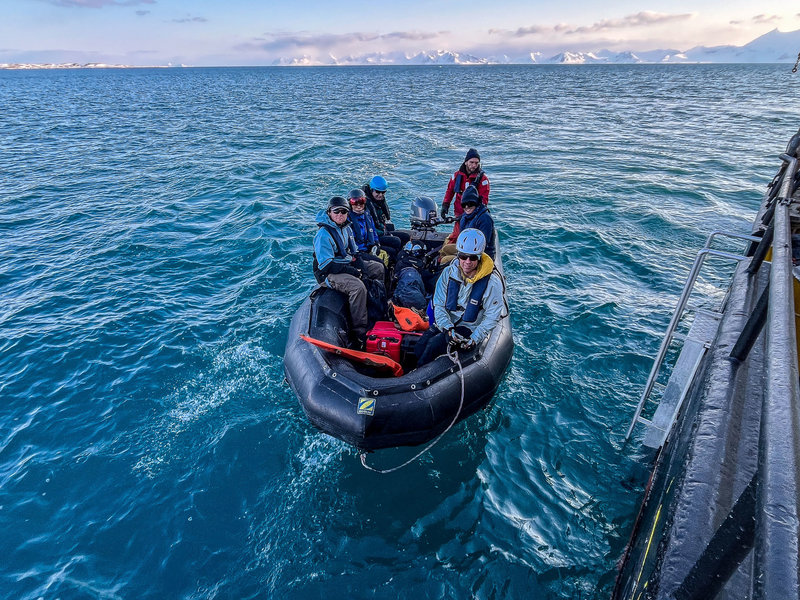
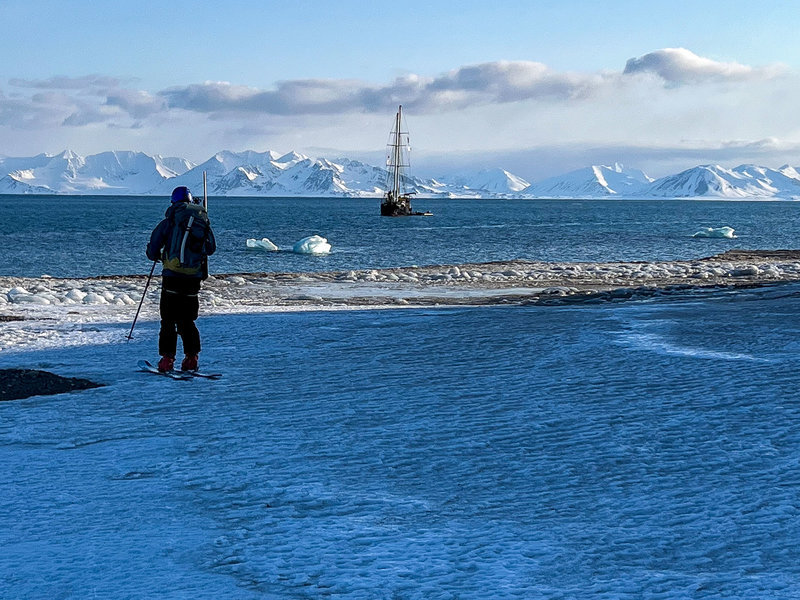
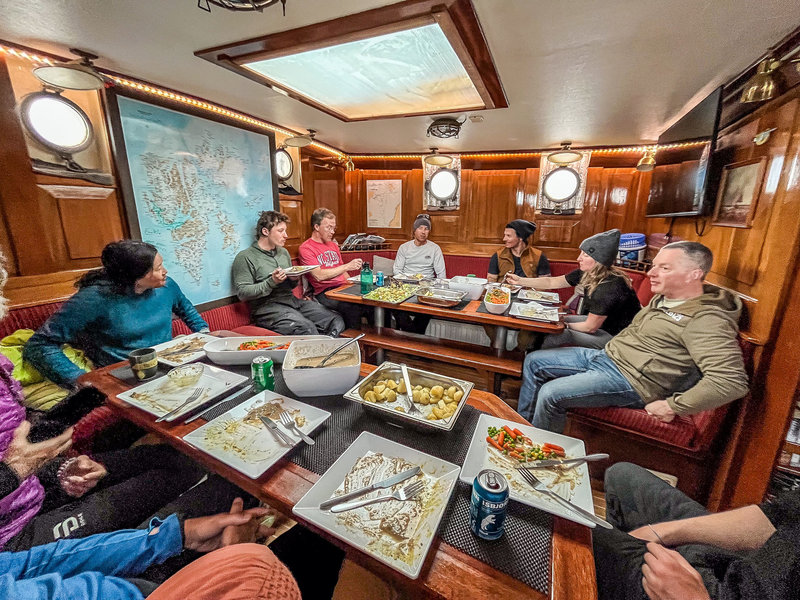
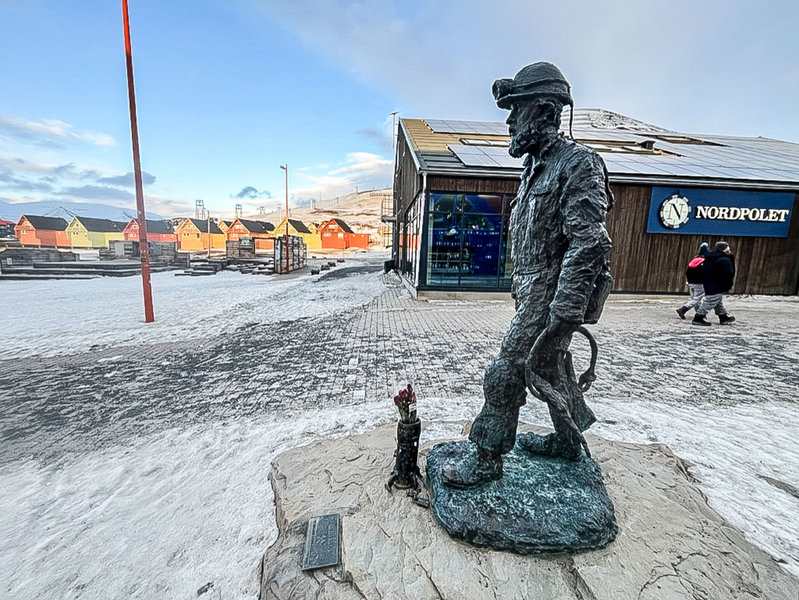
Our Svalbard trips begin at the small airport in Longyearbyen after fling in from Oslo or Tromso. Longyearbyen has a small university, several great museums, the world-seed vault, and a nice collection of hotels, restaurants, and outdoor equipment stores. The only practical way to approach most of the skiing is by boat due to the distances between slopes, a severe lack of lodging, and resident polar bears. In 2027 we will once again be using Meander, a steel-hulled, 30 m / 98’, two-masted schooner run by a friendly, hard-working crew.
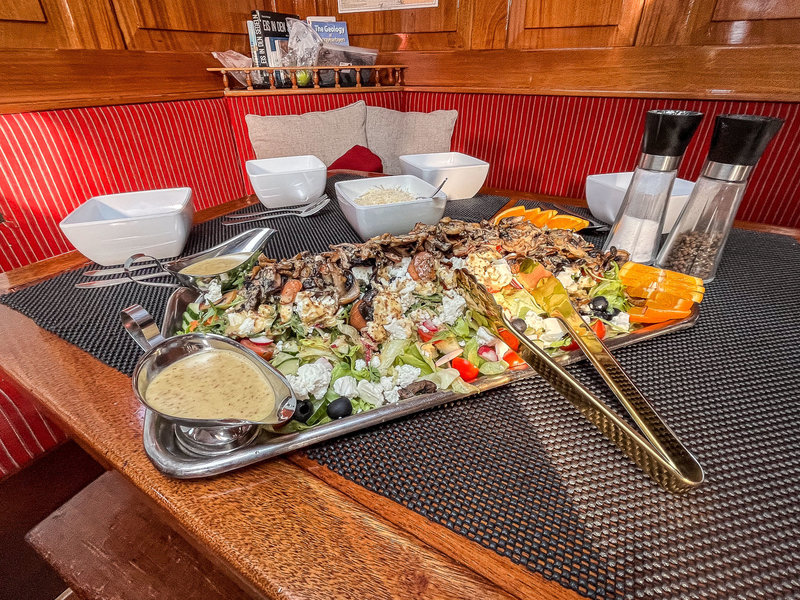
Meander accommodates only 12 guests in addition to her crew of 3 sailors, a cook (also a sailor), and 2 guides. By going in late April we enjoy 24-hour daylight, but we are still close enough to winter to expect good snow. Each day we eat a hearty breakfast aboard Meander, and then zip to shore in Zodiacs for a full day of ski touring. Most runs range from 500 to 1000 meters and the days involve multiple shorter runs, or one long tour. We usually ski for 6 or 7 hours with a “short-bus” option for those that want a shorter day. The skiable terrain is nearly endless as the area is about 60% glaciated.
The main event is the skiing, but at times the scenery and wildlife take center stage. Svalbard is home to a surprising variety of birds, mammals, and sea-life, all uniquely adapted to their Arctic environment. A few live here year round, but many low the birds are seasonal residents. The guide’s for your trip are Arctic specialists and take time onboard and during tours to interpret an ecosystem full of life exquisitely adapted to survive the harsh winters here.
The boat runs much like a ski hotel as we spend 8 days and 7 nights on board, giving us 6 full ski days. You can also ski out of Longyearbyen if you decide to arrive early or depart late. Given the distance travelled to be here, it is worth spending some extra time in Longyearbyen, one of the more interesting places we have visited in a lifetime of travel.
Sample Svalbard Ski & Sai Itinerary
This sample itinerary is based on the one we followed in April 2026. The plan will vary from year to year depending on the wind conditions, sea-state, where the wind blows the brash ice from local calving glaciers, and group interest.Day 0: Arrive by plane from Oslo or Tromsø, Norway and take the airport shuttle or taxi to “downtown” Longyearbyen. Settle into your comfortable hotel and set out to explore the town and visit the Svalbard Museum. Evening dinner with the guides and group. Night in hotel.
Day 1: The morning is free to explore town with options ranging from a visit to the world seed-vault. If pinched for time it is possible to arrive by plane on this day. We board Meander at 5 PM, conduct a safety briefing covering onboard life, safety aboard and in the Zodiacs, and discuss Polar Bear encounters, which are rare. From Longyearbyen we motor or sail 1-3 hours to our first ski destination. Dinner is served en route, and the water is generally calm as we are within the protected Isafjord. Example first landing would be Ymerbukta or Borebukta. 1st night aboard.
Day 2: From our position near the entrance to the Isafjord, we have a variety of options for the day’s ski, including Hovtinden (574m), Karlstadttoppen (547m). Most tours begin with a short skin through lower-angle terrain before we begin climbing. In normal conditions, most tours end on summits or ridges, which provide expansive views of our heavily glaciated surroundings. Short boat move to Trygghamna. 2nd night aboard.
Day 3: Climb and ski Daudmannen (768m), with other objectives available in this area following our first climb and ski. This involves a lower angled glacier approach and then a moderate climb up an impressive peak. Move the boat after dinner to St. Jonsfjord. This is a good place to see Walrus. The move around the corner from Trygghamna into the channel between the big island and Prius Karls Forland is a common place to experience more wave action, but the trip is generally short and we all have the option to take a brief nap which nips any potential seasickness quite effectively. 3rd night aboard.
Day 4: There is a lot of skiing in St. Jonsfjord, and in 2026 we had a spectacular day with a ski from the summit of Konowryggen (727m), and then skied several side peaks via pocket glaciers on the return trip to the boat. This area has huge vistas across bays filled with fast ice pocketed with seal holes, and massive ice fields adjacent to our ski objectives. Afternoon move to Prins Karls Forland or Hornbækbukta. 4th night aboard.
Day 5: If the weather cooperates, it is a real treat to ski on one of the peaks of Prins Karls Forland. In 2026 a strong NE and kept us from going ashore, but the ski out of Hornbækbukta was equally good, particularly with the massive Aavatsmarkbreen (green means glacier), pouring into the ocean as the backdrop for our anchorage. This area has quite a few Arctic Reindeer (Caribou), a large colony of Little Auks, and plenty of ptarmigan. This is also a good place to see walrus. 5th night aboard.
Day 6: Move back to Dahlrebukta for an adventurous traverse over to St. Jonsfjord. This is a great day with drop-off in the morning and subsequent pickup in a different anchorage. We once again have a massive tidewater glacier as a backdrop for the climb, and often see Arctic Foxes in this area as there are nearby bird colonies. Evening move to Barentsburg, a small Russian Coal mining town with not one, but 2 excellent bars. 6th night aboard
Day 7: Move the boat to Colesbukta for an ascent of Nordensköldfjellet (1025m) and ski down to Grumantbyen. In 2026 we saw many caribou here and the ski was excellent. We began our climb from the point where the coal removed from the Grumantbyen was loaded onto boats after improbably being transported along the coast to the deeper bay of Colesbukta. Prior to its time, it is hard to imagine that over 1,000 people lived in Grumantbyen. The remaining buildings have been taken over by nesting birds. This is a very cool ski and destination to visit. Move boat to public dock in Longyearbyen. Celebration dinner on Meander and 7th night aboard.
Day 8: Disembark from boat with option to fly home the same day or spend another night in Longyearbyen. Night in hotel in either Oslo or Longyearbyen.
FAQ's for Svalbard Ski & Sail
Will we see a polar bear? Most trips do not see a polar bear, although they do frequent the area. Part of the reason we do not see polar bears often is that we are skiing well south of the pack ice, which is where they spend most of their lives hunting seals. We work really hard to avoid them as they tend to be very curious around humans, but there are trips where they are spotted.How do I get to Svalbard? Most people first fly to Oslo’s Gardermoen Airport (OSL) and then connect to Longyearbyen (LYR). We will work with you to plan your flight and highly recommend you layover before or ofter your trip in Oslo if you can. Oslo is an amazing city with many places to visit, our favorite being the Fram Museum.
Are split-boards welcome? Absolutely. Be sure to have previous experience touring with your split board. We recommend descending with ski poles so you can push through lower angled sections of glacier and think you will be comfortable with a setup utilizing touring boots rather than traditional snowboard boots. We are happy to discuss gear if interested and have split boarders on most of our regular ski tours these days.
Do I need a visa to visit Svalbard? You do not, you need to pass through the EU and the Schengen zone when you enter Norway, but during your time in Svalbard you are technically outside the EU and days spent there do not count as part of your stay in the EU.
Is this a good first weeklong backcountry ski trip? Given the time and expense required to get to Svalbard we highly recommend that you consider doing a hut trip in a place like Europe or Canada prior to joining a Svalbard trip.
Am I going to get seasick? It is certainly possible, but bear in mind that this is not so much a sailing trip as a ski trip that requires us to use a boat to get from point to point and have a warm, comfortable home in the Arctic. The guides and the boat crew study the weather carefully and are looking for good ski conditions, comfortable anchorages, and are generally tucking into the areas forecasted to be calm. We have deep sailing experience and can make sure you are comfortable and have appropriate medications if we suspect seasickness could become an issue during one of our short (few hours) moves during the trip. Don't be afraid of the sailing component, sailing is not the focus of the trip.
What type of skis do I need? We use skis ranging from 95mm to maybe 110mm on most trips. We recommend Dynafit style tech bindings, and lighter touring boots so that you can maximize your enjoyment of the uphill and explore as much of Svalbard as possible during your trip. We do not require ski brakes, but recommend them over leashes.
Can I take rest days? Absolutely. Many of our guests ski every day, but if you decide you want a rest day you simply stay on board, have a hot lunch, and enjoy the amenities of the boat, which includes a shower and a sauna. On most skis days we also have a short-bus option, where the group can split for folks wanting to head back and others continuing on the quest for more vert.
How long are the ski days? Generally, 6-8 hours from the time you leave the boat until you are back on board. Like our our Europe trips we are usually aiming for at least 3500 feet per day with 5000 feet being a longer day.
Are we going to ski powder? Svalbard is one place where you have a decent chance of having pretty good ski conditions on a coastal ski trip. In 2026 tings were quite firm, but previous trips reported powder and the week following actually had soft conditions. We are so far north on this trip that temps are generally well below freezing, so any precip events would most likely fall as softer snow.
Why would I pick Northwest Mountain School for this trip? We are both IFMGA guides with extensive experience skiing in places like Europe, Canada, South Georgia Island and Antarctica. We realize this is your dream trip and work very hard to make it perfect, while also keeping a tight focus on risk management. We are also sailors, having crossed the Atlantic with our kids and sailed extensively in places like Europe, Canada, Washington, and Alaska.
How will you help me get ready for the trip? We think this is what sets us apart. Upon registration, we send out a detailed pre-trip package that includes travel planning such as flights and hotels, a detailed equipment list, and we are available by phone and e-mail to go over the details as you prepare. Give us a call and we will either pick up or get back to you the moment we are out of the mountains.
Tell me about the group size? Meander’s capacity is 12 guests with 2 guides. The boat also has a crew of either 4 or 5. At 30 meters (98 feet), the boat is very comfortable, with all 6 passenger cabins featuring 2 beds, arranged bunk style, several with ensuite facilities. Our 2026 group had 9 clients and 3 guides. We plan to have 3 guides in 2027 as John & another guide will be leading the trip, and Olivia will be working her first Svalbard trip. This is a nice group size compared to the larger boats becoming more common in places like Antarctica.
Svalbard Ski & Sail Participant Qualifications
This is not an extreme tour, but it does require participants to be decent skiers. You should feel comfortable: skiing variable snow ranging from powder to breakable crust to corn, and climbing and descending 3500-5000' on skis for a week. You want to accrue a good base of backcountry skiing before you go to Svalabrd. It is particularly important to show up with you feet used to being in your boots before the trip. If you have time, it would be amazing to ski a week in Europe in Advance of coming to Svalbard, but we realize this may be impractical for most.It common to develop very bad blisters if you go from not touring at all to putting in successive long ski touring days. You should be able to efficiently get down black diamond runs in most ski areas. You do not need to be an extreme skier to do this, but you want to be able to efficiently link turns in a wide variety of snow conditions. You should also be aware that skiing on a glacier is much different than skiing in bounds at a ski area. Real hazards exist and none are marked. Prior to your trip you should focus on skiing in control and falls while skiing should be infrequent. You do not need any prior mountaineering experience to do this, but it is helpful to have some familiarity with the climbing harness, crampons, and ice axe. We rarely use these items, but you will be more confident if you show up comfortable with them. No prior avalanche rescue training is required, but an AIARE Level 1 course is recommended if you plan to ski tour often.
Ski Skills Assessment - Svalbard
It can be difficult to determine where different people are in terms of ski ability without skiing with them in advance of a program. As we don't always have the opportunity to ski together in advance of these trips we have provided the following list so that you can evaluate your ski skills and choose the most appropriate program.Advanced Ski Skills
- Able to ski fall line in most snow conditions (powder to wind-affected snow).
- Able to make parallel or stem-christie turns on 35° groomed or firm snow.
- Able to side-slip on firm slopes up to 35°.
- Able to ski moguls in soft snow.
- Able to do kick turns facing in or facing out on 30° slopes.
- Able to skate on level terrain.
- Able to ski fall-line in tight radius turns in good conditions.
- Able to ski black diamond runs at ski areas efficiently and in most snow conditions.
- Comfortable skinning on firm slopes with or without ski crampons
Physical Condition Evaluation for Skiing
Ski touring is simply more enjoyable if you show up in good shape. In addition to a solid base of aerobic conditioning you need to have the basic core strength to ski in a variety of conditions while carrying a small ski pack. Our packs are reasonably light as we do not have any camping equipment or items that you would normally carry from hut to hut, but you will have lunch food, water, ski crampons, and plenty of warm clothing. We also ask stronger members to help with some of the emergency gear like small nylon rescue sleds or the spare rope. The best training you can do for ski touring is ski touring. It is best not to go into any extended trip without finding the time to get in a few days of touring in advance to make sure that your feet are conditioned to your boots.Very Good Physical Condition
Full day tours with 3000-5000 feet of elevation gain while carrying a pack weighing between 10-15 lbs. on week-long ski tours
Recommended Reading in Advance of coming to Svalbard
We are unabashed bibliophiles. These are some of the books we have enjoyed about Svalbard, many available as audiobooks, and all available at the Svalbard Museum in Longyearbyen.A woman in the polar night by Christiane Ritter: This is THE classic local book. It is a non-fiction account of an Austrian woman who joined her trapper husband for a polar winter in the 1930s. It is a relaxed read that helps you wrap your head around the challenges faced by early inhabitants of Svalbard.
The Memoirs of Stockholm Scan by Nathanial Ian Miller: This is a current (2021) fictional read based loosely on the life of an actual Svalbard resident. Like all good fiction, it provides an entertaining idea of what life in these remote places must have been like in the past.
Spitsbergen - Svalbard. The Complete Guide by Rolf Stange: An all-encompassing natural history of the island with sections covering most of the areas we will visit. The Arctic ecosystem is fascinating and the author does a good job of unpacking it for those of us less familiar with how life works in a place that is completely dark for 4 months of the year with a bitterly cold winter and a brief, but spectacular summer.
Bradt Guide: Svalbard by Roger Norum: If you are thinking of going all the way to Svalbard, this is just a good overview of the area and includes sections on Bear Island, and Jan Mayen, Islands related to Svalbard. John read it in advance of his first trip and and is still lamenting leaving it on a plane as it provided such a good basic understanding of what the area is like.
John's Article on our 2026 Svalbard Ski & Sail Trip
Outfitter Note: We run these trips in conjuction with Sawback Alpine Adventures. If planning to go with us, it is best to reach out to us first, but we feel it is important to highlight that Sawback handles most of the basic logistics for us. We will be your main point of contact in advance of the trip and will help you prepare for the trip and be the guides for your trip.

